

How Lowering ORP Supports Stronger Crops, Healthier Soil, and More Efficient Agriculture
HyO hydrogen-rich irrigation systems are gaining attention as a simple but powerful way to improve agricultural outcomes by influencing a key water quality metric: oxidation-reduction potential, or ORP. ORP measures how oxidizing or reducing a solution is; in other words, whether it tends to pull electrons away from substances (oxidation) or donate them (reduction). In agricultural water, a high ORP typically indicates a more oxidizing environment, which can contribute to plant stress, reduced microbial diversity in soil, and less efficient nutrient uptake. By contrast, hydrogen-rich irrigation introduces dissolved molecular hydrogen into water, gently lowering ORP to more balanced, “healthier” levels that support plant growth and soil vitality.
Why ORP Matters for Plant Health
To understand why this matters, it helps to think of ORP like the emotional climate of a workplace. When conditions are overly harsh or “oxidative,” plants operate under stress, diverting energy away from growth and toward basic survival. High-ORP irrigation water can contribute to oxidative stress within plant cells, damaging proteins, membranes, and DNA. This stress doesn’t always kill plants outright, but it can stunt growth, reduce yields, and make crops more vulnerable to disease and environmental extremes such as heat or drought. Hydrogen-rich water, by lowering ORP, acts like a calming influence. It helps create a more balanced internal environment where plants can focus on growing rather than constantly defending themselves.
The Role of Molecular Hydrogen
One of the most important ways this works is through the role of molecular hydrogen as a selective antioxidant. Unlike stronger chemical additives, molecular hydrogen does not indiscriminately react with everything in its path. Instead, it targets the most harmful reactive oxygen species, helping to neutralize oxidative stress without disrupting beneficial biological processes. When irrigation water carries dissolved hydrogen, it can enter plant tissues and support this protective effect at the cellular level. The result is improved photosynthesis, better root development, and more efficient use of nutrients already present in the soil.
Building Healthier Soil from the Ground Up
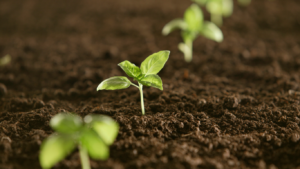
Lowering ORP through hydrogen-rich irrigation also has significant implications for soil health, which is the foundation of successful agriculture. Soil is not just a growing medium; it is a living ecosystem filled with bacteria, fungi, and other microorganisms that help cycle nutrients and support plant growth. Many of these beneficial microbes thrive in environments that are not overly oxidizing. When irrigation water has a high ORP, it can disrupt microbial balance, reducing populations of helpful organisms while favoring less desirable ones. By bringing ORP down to a more moderate range, hydrogen-rich irrigation creates conditions where beneficial microbes can flourish. This, in turn, enhances nutrient availability, improves soil structure, and supports long-term fertility.
Improving Nutrient Efficiency and Reducing Inputs
Another key benefit of lowering ORP is improved nutrient uptake efficiency. In highly oxidizing conditions, certain nutrients can become less available to plants, either because they change chemical form or because root systems are less able to absorb them effectively. When ORP is balanced, nutrients remain in forms that plants can more easily use, and roots are better equipped to take them in. This means farmers can often achieve the same or better results with fewer inputs, such as synthetic fertilizers. Reducing fertilizer use not only lowers costs but also decreases the risk of nutrient runoff into waterways, which can cause environmental problems like algal blooms.
Supporting Resilience in Changing Conditions
HyO hydrogen-rich irrigation also supports plant resilience, an increasingly important factor as agriculture faces the challenges of climate change. Crops exposed to heat, drought, or salinity stress often experience elevated oxidative stress, which compounds the damage caused by these conditions. By lowering ORP and supplying molecular hydrogen, these irrigation systems help plants maintain internal balance even under adverse conditions. It is similar to giving plants a built-in buffer against environmental shocks, allowing them to recover more quickly and continue growing when conditions improve.
A System-Wide Impact on Agriculture
Importantly, the benefits of HyO hydrogen-rich irrigation extend beyond individual plants to the broader agricultural system. Healthier plants with stronger root systems and better nutrient uptake tend to produce higher yields and more consistent quality. This reduces variability for farmers and can lead to more reliable food supplies. At the same time, improved soil health contributes to sustainability by maintaining productivity over the long term without degrading natural resources. In this way, lowering ORP is not just a technical adjustment for farms, it is a strategic lever for improvement across entire state and national agriculture ecosystems.
Another advantage of HyO hydrogen-rich irrigation systems is that they can be integrated into existing infrastructure with minimal disruption. This makes adoption more practical and scalable, especially compared to more complex or capital-intensive agricultural innovations. The relative simplicity of the approach also makes it appealing for a wide range of farming operations, from small-scale growers to large commercial producers.
Advancing More Sustainable Farming Practices
From an environmental perspective, lowering ORP through hydrogen-rich irrigation contributes to more sustainable agriculture in several ways. Reduced reliance on chemical inputs lowers the environmental footprint associated with their production and application. Improved nutrient efficiency decreases the likelihood of pollution, protecting surrounding ecosystems. Healthier soils act as better carbon sinks, helping to mitigate climate change. And more resilient crops reduce the need for emergency interventions, such as increased irrigation or pesticide use during periods of stress.
Despite its promise, it is important to recognize that hydrogen-rich irrigation is not a silver bullet. Its effectiveness can vary depending on crop type, soil conditions, and local climate. More research and field trials are needed to fully understand optimal ORP ranges and best practices for different agricultural contexts. However, early results and emerging applications suggest that managing ORP through hydrogen enrichment is a valuable tool in the broader effort to improve agricultural sustainability and productivity.
HyO hydrogen-rich irrigation systems offer a compelling approach to enhancing agriculture by lowering ORP to healthier levels. By creating a more balanced chemical environment, these systems reduce plant stress, support beneficial soil microbes, and improve nutrient uptake. The result is stronger, more resilient crops and more efficient use of resources. Like adjusting the pH of soil or fine-tuning irrigation timing, managing ORP may seem like a small change, but its effects ripple outward across the entire agricultural system. As farmers seek ways to produce more food with fewer environmental impacts, hydrogen-rich irrigation stands out as a practical, scalable solution that aligns productivity with sustainability.
Ready to explore how hydrogen-rich irrigation can support your operation? Discover how HyO systems integrate seamlessly into your existing setup.